
Major study involving the University of Bucharest rewrites the history of European dinosaurs
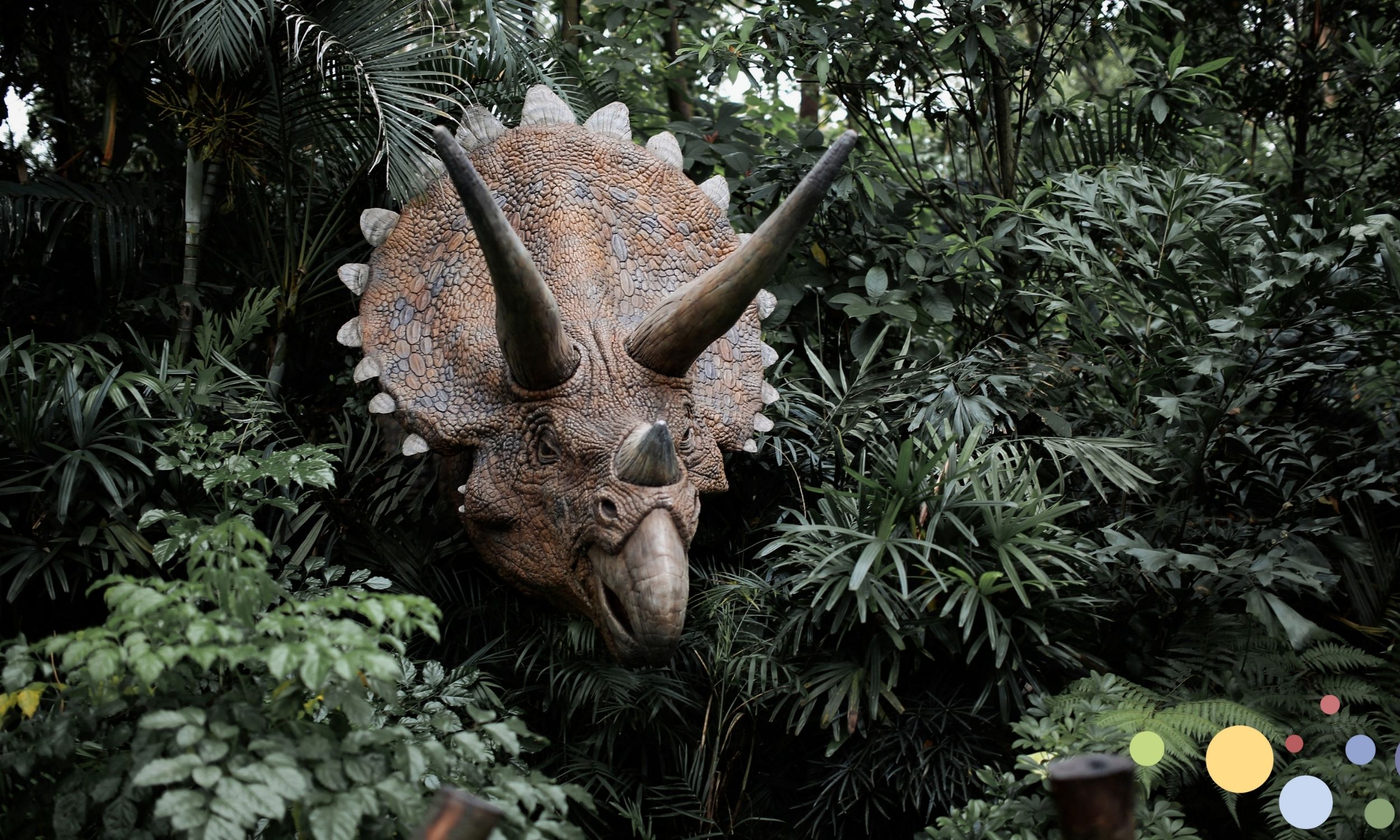
The study overturns a long‑standing scientific belief, held for more than a century: that ceratopsians never reached Europe. But new fossil evidence reveals that the continent’s Cretaceous fauna was far more diverse than previously thought, with horned dinosaurs not only present but also developing unique adaptations to the island environments of the former European archipelago.
Several of the fossils that underpin this discovery come from the UNESCO International Geopark Țara Hațegului, administered by the University of Bucharest. It's Associate Professor Dr. Zoltán Csiki-Sava is one of the specialists in the research team:
These findings fundamentally change our understanding of the evolution of Cretaceous fauna in Europe. The fossils discovered show that ceratopsian dinosaurs not only reached the former European archipelago, but also evolved their own forms here, adapted to the island environment. Our studies show that some fossils previously considered to be rhabdodontids - a group recognized as endemic to Europe - actually belong to atypical `horned dinosaurs`, and that Europe may have even been an important corridor for the dispersal of these animals between Asia and North America”, said Dr. Csiki-Sava.
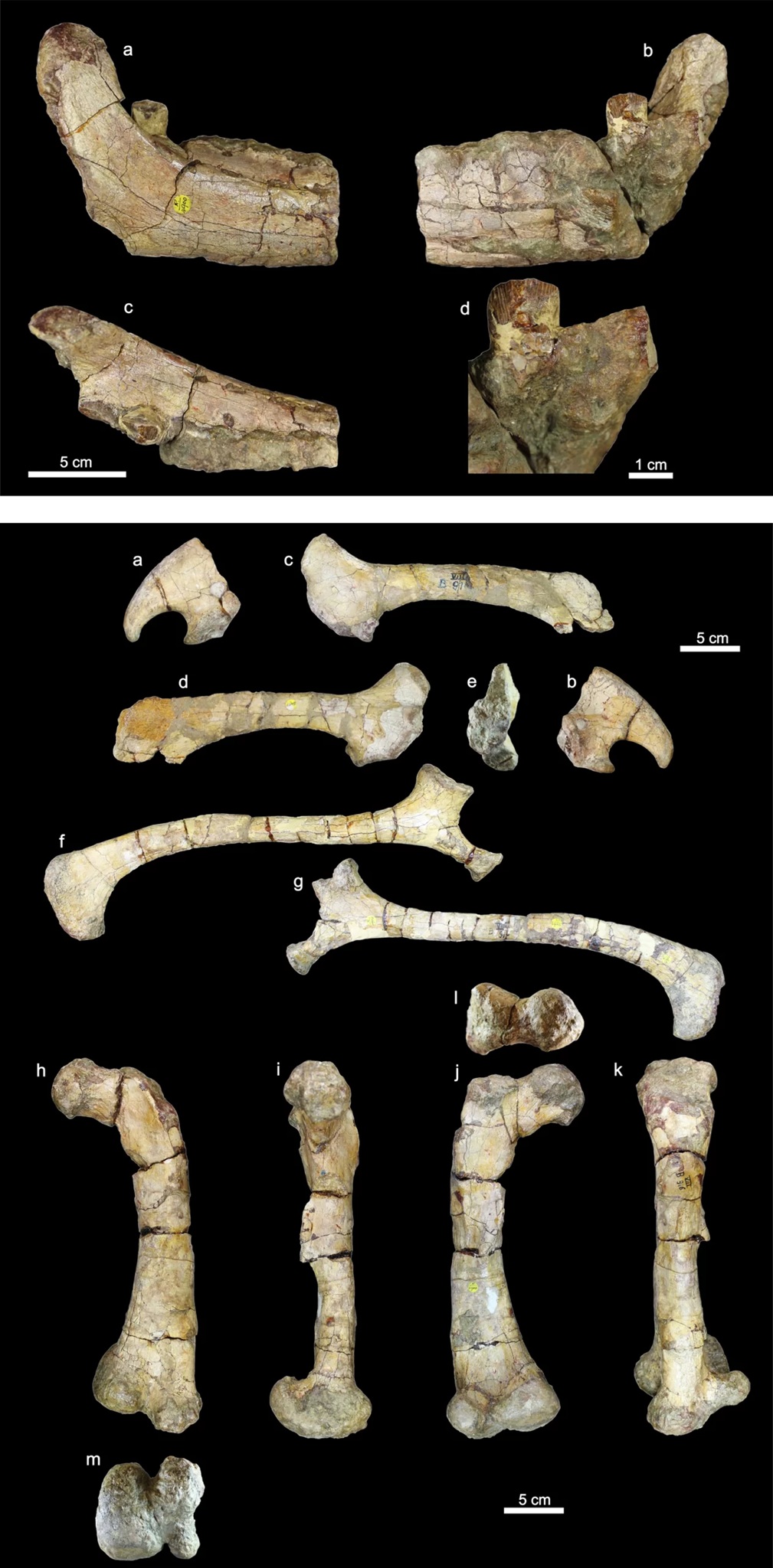
Professor Susannah Maidment of the Natural History Museum in London, the study coordinator, explained that these dinosaurs remained difficult to recognize due to anatomical similarities with other groups. Despite their distinct appearances, iguanodonts and ceratopsians share evolutionary traits that make fragmentary fossils challenging to classify.
A central element of the study is the identification of a new genus of primitive ceratopsian, Ferenceratops shqiperorum, based on material from the Sînpetru Formation in the Hațeg Basin. The genus honors Baron Franz Nopcsa, a pioneer of Transylvanian paleontology and the original discoverer of the fossil that now serves as the species’ holotype.
International team spans also Hungary and Germany
The Romanian material is complemented by recent Hungarian discoveries, including newly identified cranial remains of Ajkaceratops kozmai, which definitively confirm the species’ ceratopsian identity. Together, the findings highlight the importance of international cooperation and reaffirm the Hațeg region’s central role in reconstructing Europe’s Cretaceous history.
“This shows that horned dinosaurs didn’t only roam North America - they were here in Europe all along,” noted Professor Steve Brusatte, co-author of the study.
The discovery also strengthens the global scientific profile of the UNESCO International Geopark Țara Hațegului and opens new pathways for paleontological research, including the need to reassess material previously attributed to the herbivorous dinosaur Zalmoxes.
University of Bucharest strengthens its lead in Romanian and European Higher Education
The University of Bucharest - ranked Romania’s leading institution for interdisciplinary scientific research in the Times Higher Education Interdisciplinary Science Rankings 2026 - continues to support major scientific advancements. As member of the European CIVIS Alliance, the university plays an active role in modernizing education and research across Europe.
With a strong commitment to sustainability and social responsibility, the University of Bucharest ranks first in Romania and among the global top 100 universities for sustainable development performance (THE Impact Rankings 2025), and it is currently recognized as Romania’s best university for international students (Study Abroad Aide World University Rankings 2025).
Moreover, the University of Bucharest reaffirms its leadership in Romanian higher education in the QS World University Rankings 2026, one of the world’s three most influential academic rankings.
Latest Highlights:
Pathogen hijacks fruit ripening program in citrus plants
Antarctic expedition searches for clues to future sea-level rise
Scientists track adaptation of bird flu in dairy cattle
University of Salzburg wins Internationalisation Award for Staff Mobility and Development