


Seven years ago, CIVIS began as an ambitious experiment in European higher education. Today, it has grown into a dynamic alliance connecting universities, students, academics and professional staff across Europe and Africa. But why is the European Universities Initiative transformative and why is CIVIS News?
This special edition of CIVIS News, produced during CIVIS Days 2026 in Bucharest, offers an opportunity to reflect on this journey while looking ahead to the challenges and opportunities that will shape the Alliance and the European Universities initiative's future.
The CIVIS News Show
Discover what CIVIS has been making possible over the past seven years and what's in store!
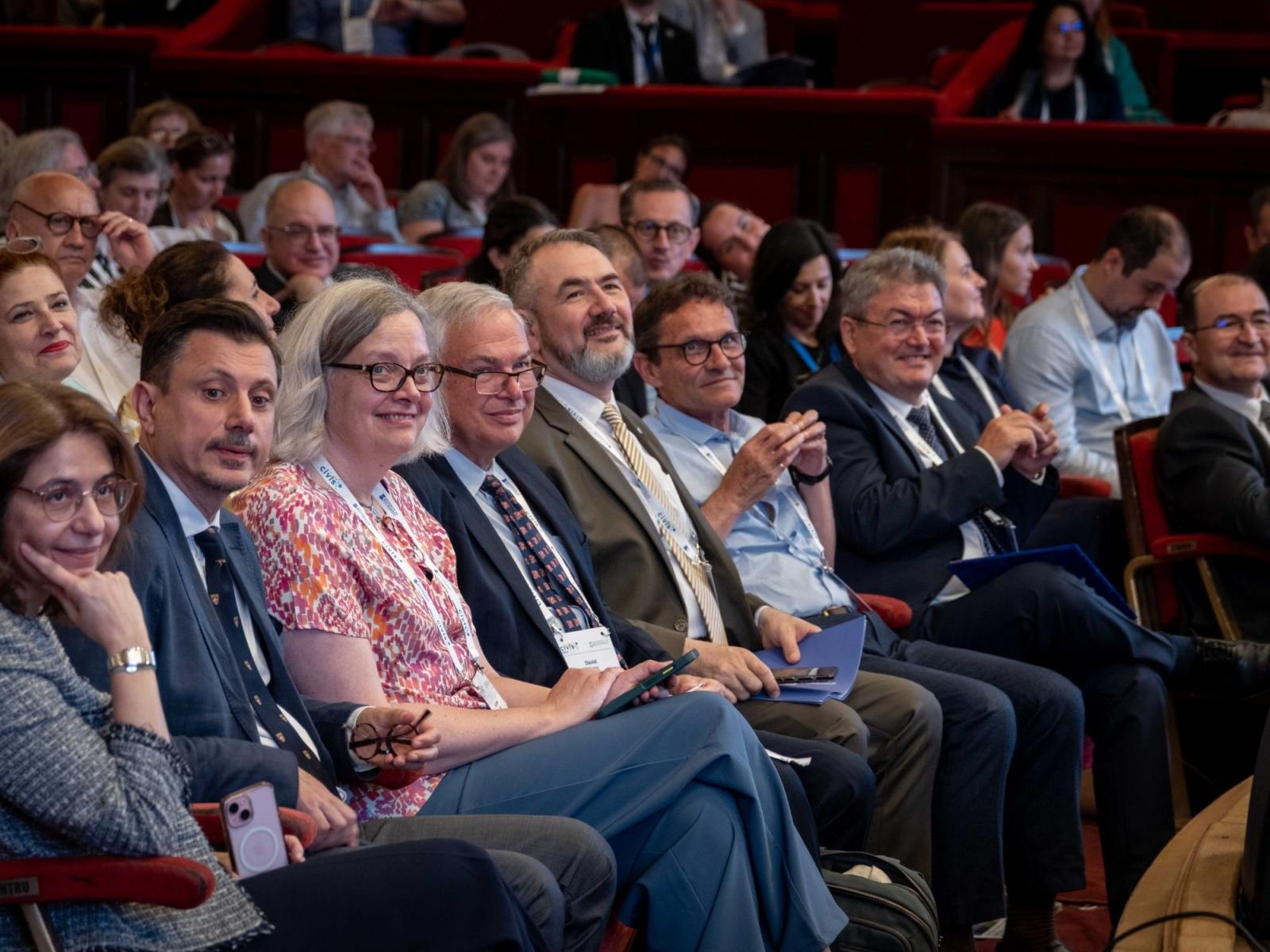
Throughout the programme, one message emerges clearly: CIVIS is no longer defined solely by projects or institutional cooperation. It has become a community built on shared values, trust and a commitment to working together across borders. Speaking for CIVIS News, Professor Marian Preda, Rector of the University of Bucharest, highlights the importance of solidarity at a time when universities are navigating complex societal and global challenges.
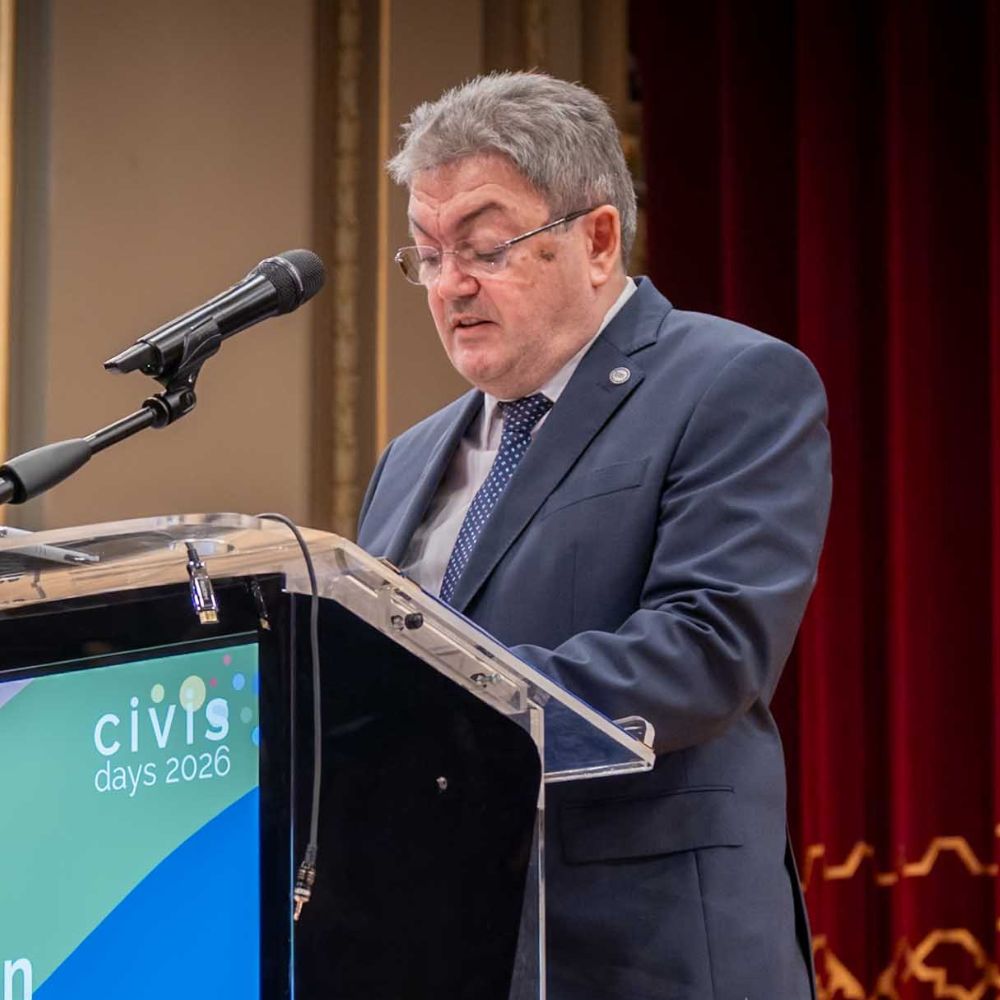
It is about reinforcing our solidarity, which is one of the main values, not just of CIVIS member universities, but of Europe. It's important to defend European values, liberty, equality, equal access to resources, solidarity, democracy
His remarks set the tone for a 36-minute programme that celebrates achievements while acknowledging that the work of building a truly integrated university alliance remains ongoing. Professor Sorin Costreie, CIVIS coordinator at the University of Bucharest underlines the importance of universities and alliances in challenging times for democracy.
Building a Network for Meaningful Academic Collaborations
For the past seven years, CIVIS has played a strong role in fostering the creation of lasting networks between institutions and individuals, by enabling academics, researchers, students and professional staff to work together in ways that extend far beyond traditional international cooperation.
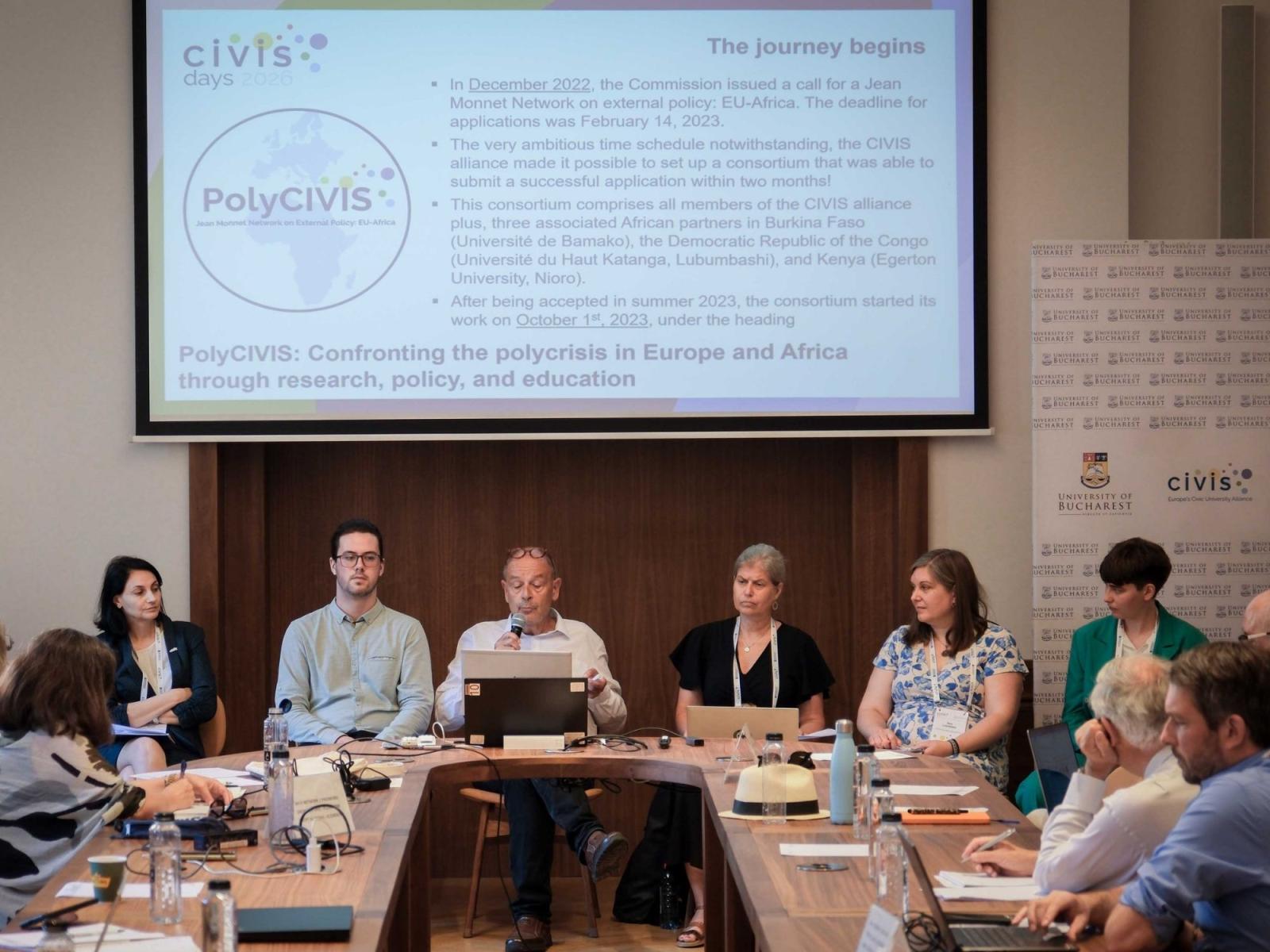
This spirit of collaboration is particularly visible in education. Initiatives such as TRACEE, NAT4DD and PolyCIVIS demonstrate how our member universities are designing learning experiences together, bringing students from different countries and disciplines into shared classrooms and collaborative projects. Discussions highlight not only the academic benefits of these collaborations but also the importance of creating common educational pathways that transcend institutional and national boundaries. The Alliance's greatest asset may be its own existence, interviewees say.

That CIVIS exists provides a network of colleagues, of universities that is widespread over the entirety of Europe and large parts of Africa. To be able to build on that network is absolutely crucial
Seven years on, that network has become a foundation for new educational opportunities, research collaborations and long-term partnerships that would have been difficult to imagine at the Alliance's launch.
Key Figures
Programmes
Student satisfaction
Rethinking the Role of Universities
Beyond educational innovation, the CIVIS News show explores a broader question: what role should universities play in society today? In a thought-provoking interview, Professor Romiță Iucu, from the University of Bucharest, argues that learning is increasingly becoming a powerful force for connection and transformation, extending universities' influence beyond their traditional boundaries.

Learning is becoming the most important tool for diplomacy. Learning is changing society. Learning is changing the vision, the mentality. Everything is based on learning
His reflections echo a wider ambition visible across CIVIS initiatives: the desire to position universities as active partners in addressing societal challenges rather than institutions operating in isolation from them.
Redefining Mobility by Creating a Shared Learning Experience
Mobility has long been one of the pillars of European cooperation, but the conversations in Bucharest demonstrate how significantly the concept has evolved. Physical exchanges remain central to the student experience, yet alliances such as CIVIS are expanding opportunities through Blended Intensive Programmes, virtual collaboration, short-term formats and other forms of international learning.
After seven years of intense collaboration, the ambition is no longer simply to increase participation but to create meaningful educational experiences that have a lasting impact on learners and institutions alike. Across the Alliance, students are finding new ways to engage internationally, whether through mobility programmes, collaborative online learning or joint educational projects.
Mobility is taking centre stage: how should it be defined and measured in an increasingly interconnected educational landscape? Quality, inclusiveness and long-term impact are becoming just as important as participation statistics in shaping future mobility policies.
At the heart of these efforts lies a broader ambition: to make international learning a normal part of the university experience and to ensure that students can engage with different cultures, perspectives and learning environments in multiple ways throughout their studies.
Key Figures
Mobile Students
Staff Mobilities
Connecting Academia and Society through Civic Engagement Projects
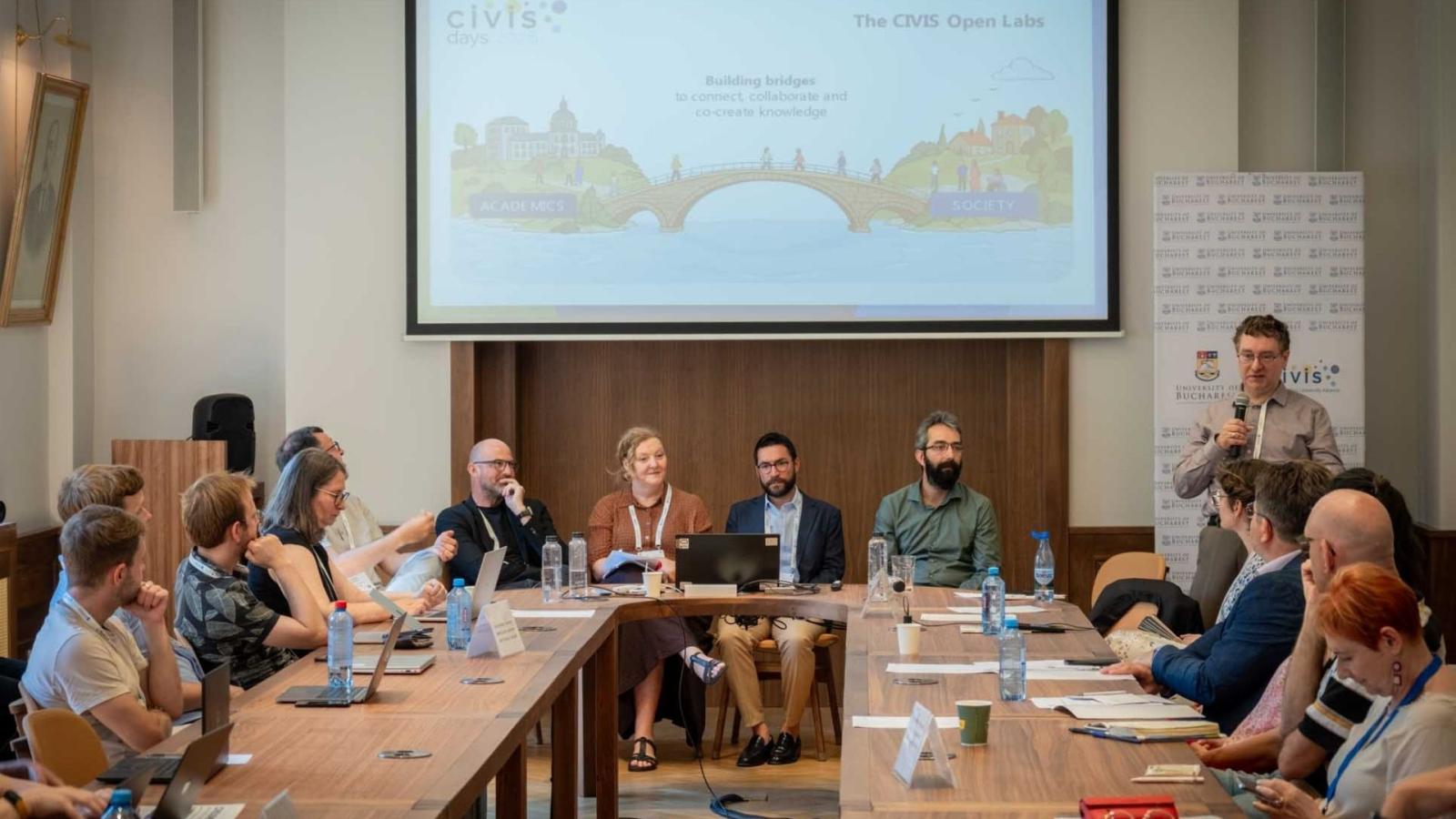
If joint education demonstrates how universities can learn together, the CIVIS Open Labs illustrate how they can engage further with society. Throughout the CIVIS News Show, Open Labs emerge as one of the Alliance's civic engagement drivers, bringing researchers, students, citizens, local authorities and civil society organisations into collaborative projects addressing real-world challenges.
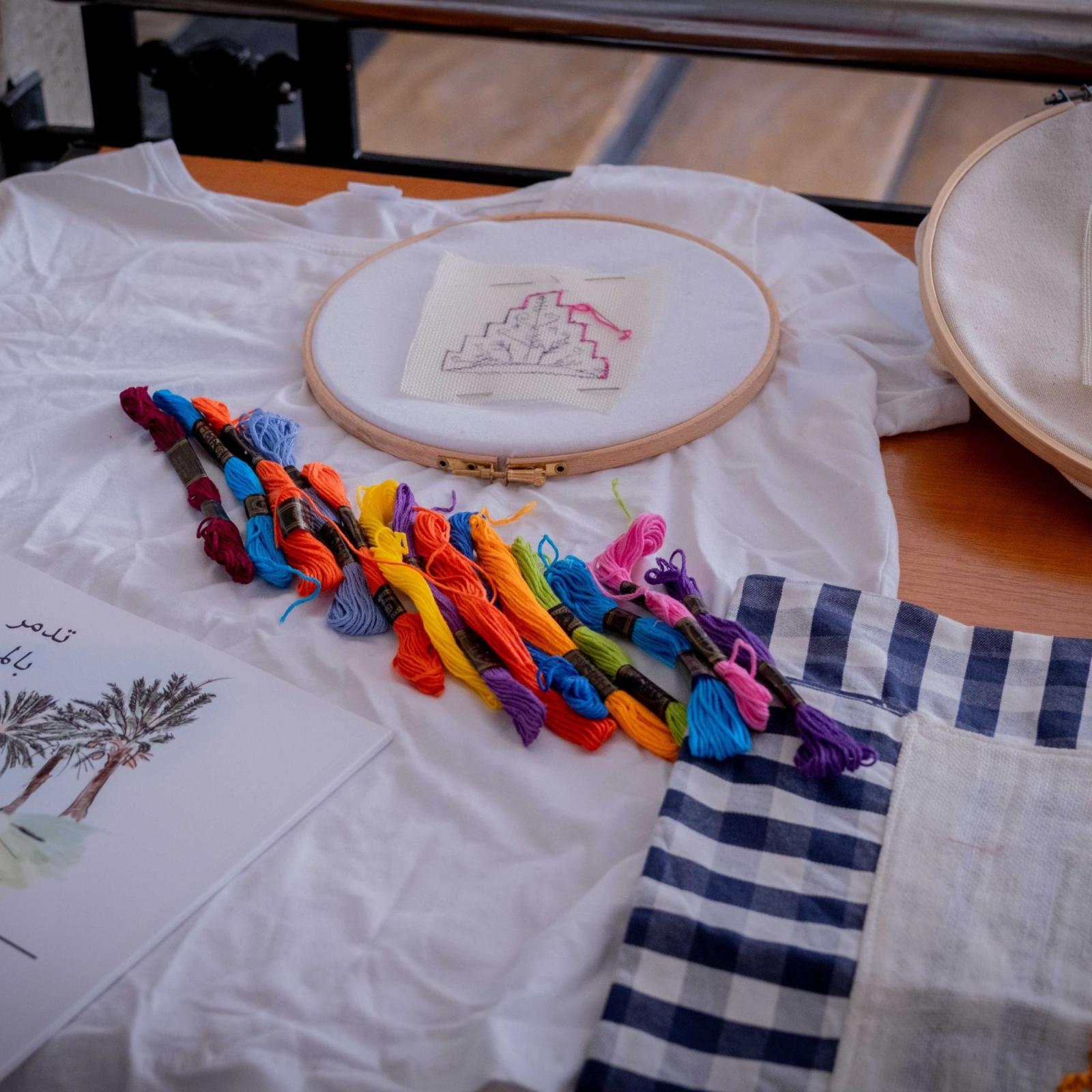
Among the initiatives featured in the shos is the Voices of Palmyra project, which combines digital heritage reconstruction with civic participation. By involving displaced communities through embroidery workshops linked to the destroyed Temple of Bal-Shamin, the project explores how cultural heritage can continue to exist through shared memory, creativity and participation. Its activities have received recognition from UNESCO for their ability to connect research, education and social engagement.
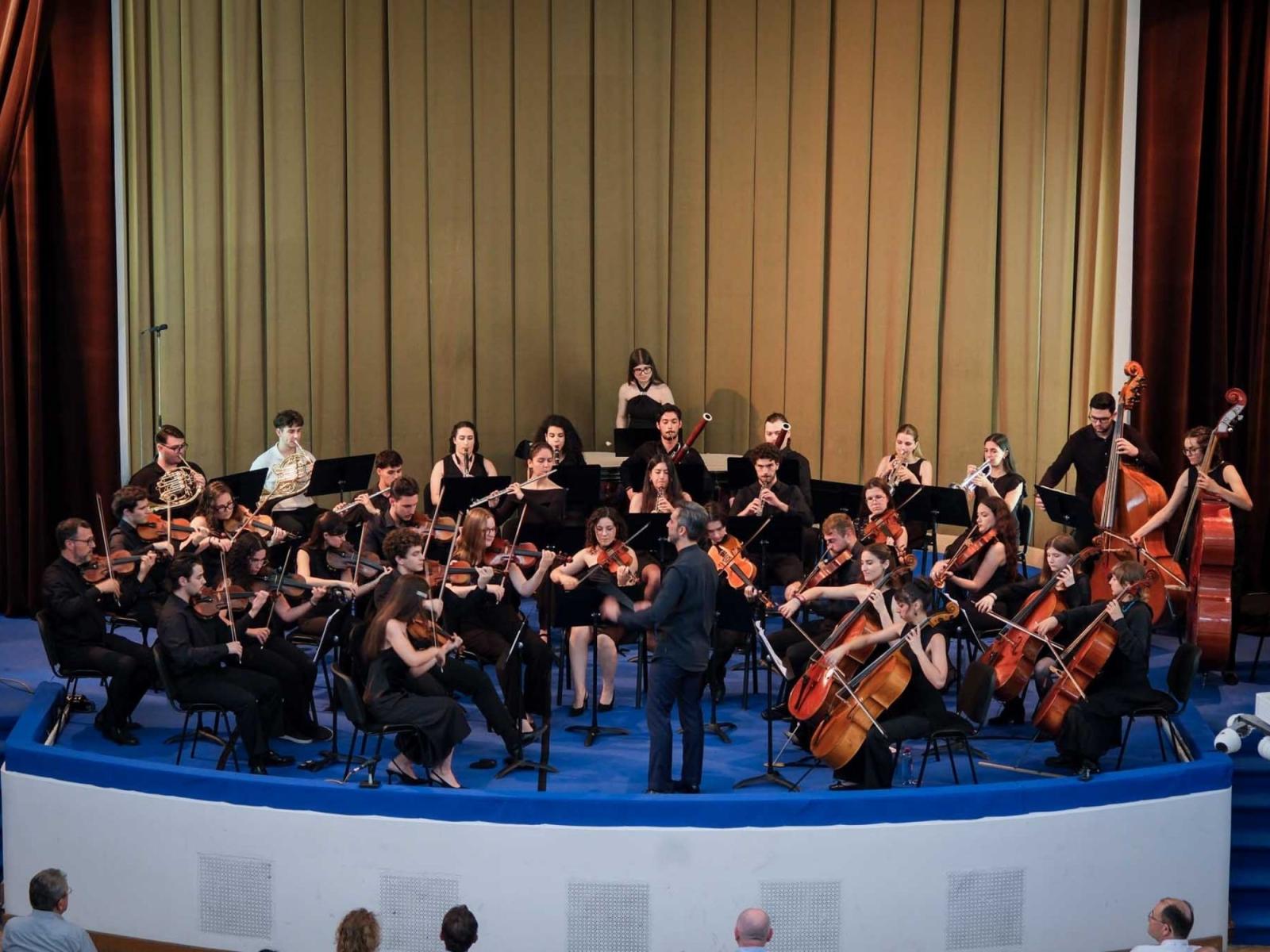
The programme also highlights the All-Year-Long Music Ensemble Open Lab, which grew from the CIVIS Orchestra Academy and now brings performances to vulnerable groups, as well as the Ageing as a Journey Open Lab, which brings together participants from Europe and Africa to explore ageing as a dynamic and empowering life process.
Taken together, these projects reveal how CIVIS is helping universities strengthen their civic mission by creating spaces where academic knowledge and societal needs can meet in meaningful and innovative ways.
Why is CIVIS News?
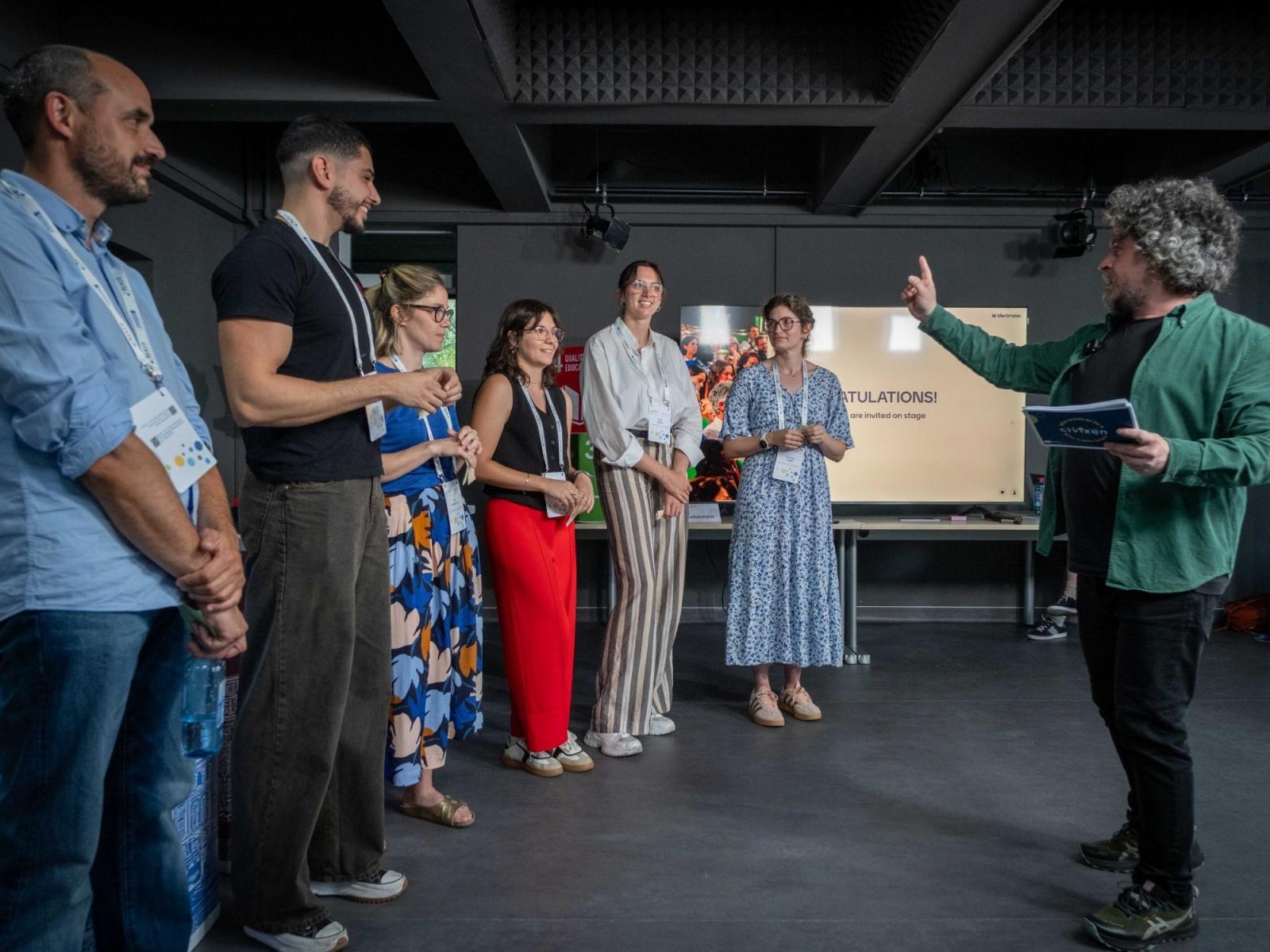
Celebrating seven years: Who Wants to Be a Civizen?
Not all reflections on the CIVIS journey took the form of panel discussions and interviews. To celebrate seven years of achievements, CIVIS Days 2026 introduced a lighter moment inspired by a familiar television quiz format: Who Wants to Be a Civizen?
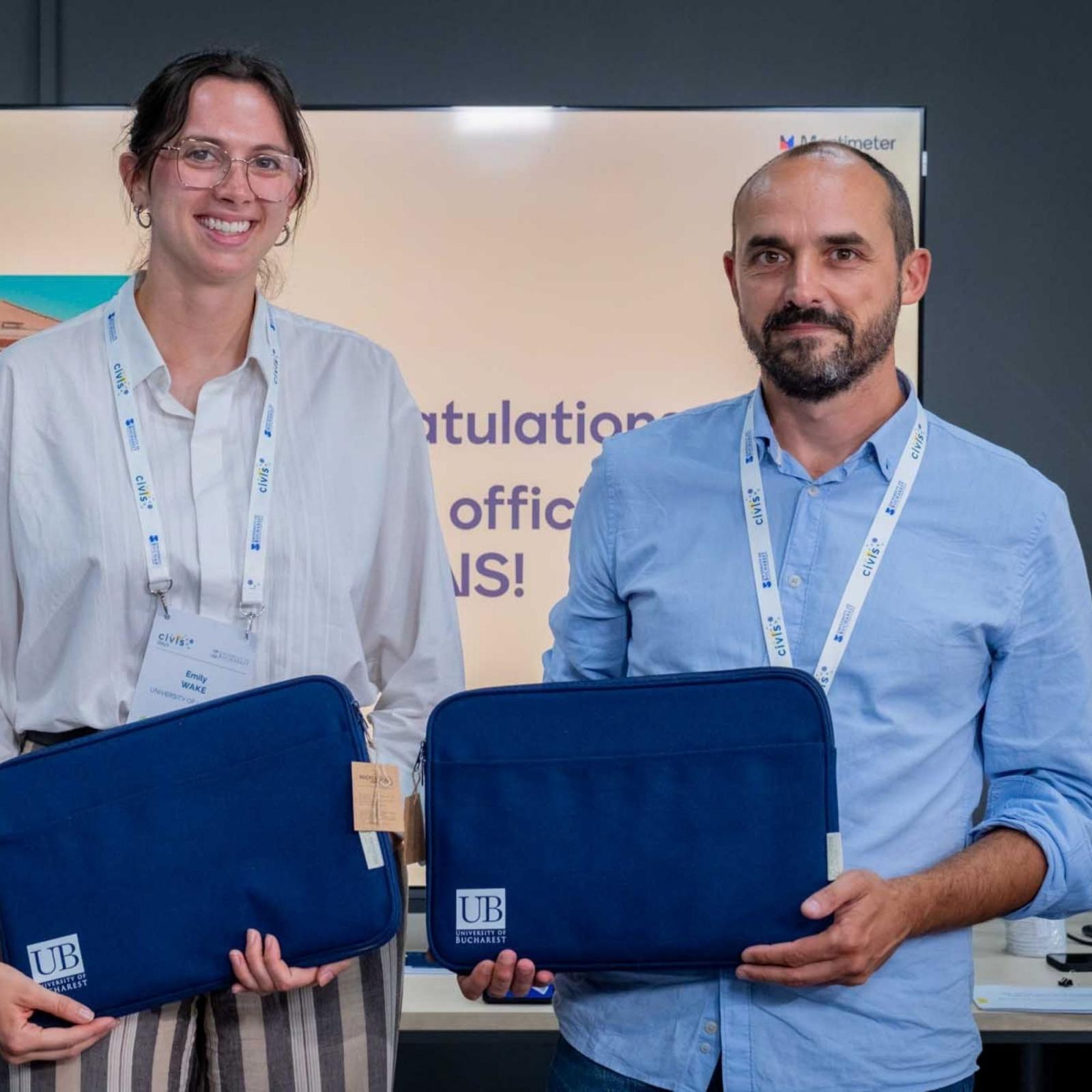
Bringing together students, academics, researchers and professional staff, the competition invited participants to test their knowledge of the Alliance's history, values, educational initiatives, mobility opportunities and Africa-Europe partnerships. Through fifteen questions charting the CIVIS journey, contestants revisited many of the milestones that have defined the Alliance's first seven years.
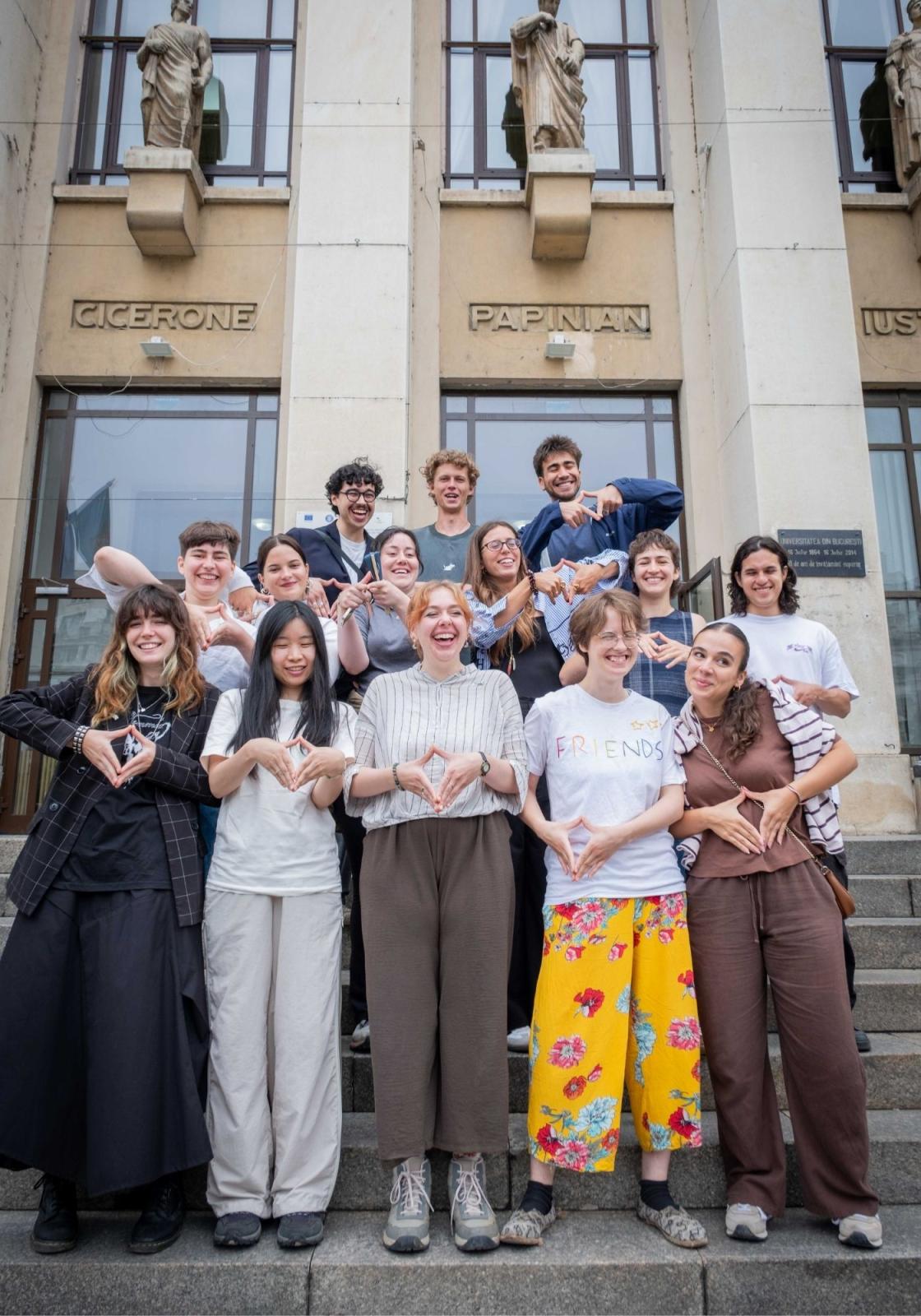
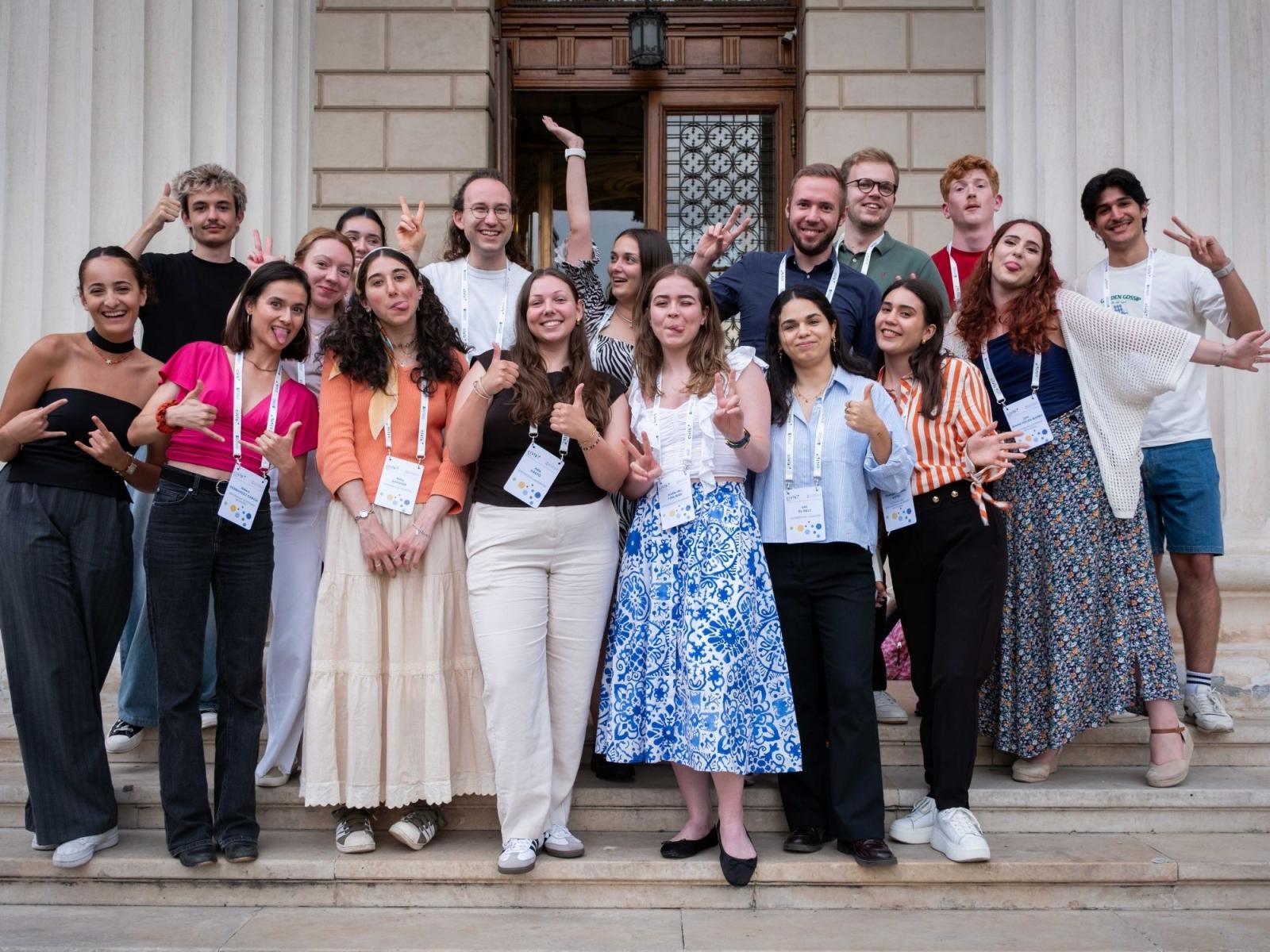
Far more than an entertaining activity, the quiz reflected one of the programme's underlying themes: the emergence of a shared CIVIS identity. Through laughter, friendly competition and collective memories, participants celebrated not only projects and achievements, but also the community that has grown around them.
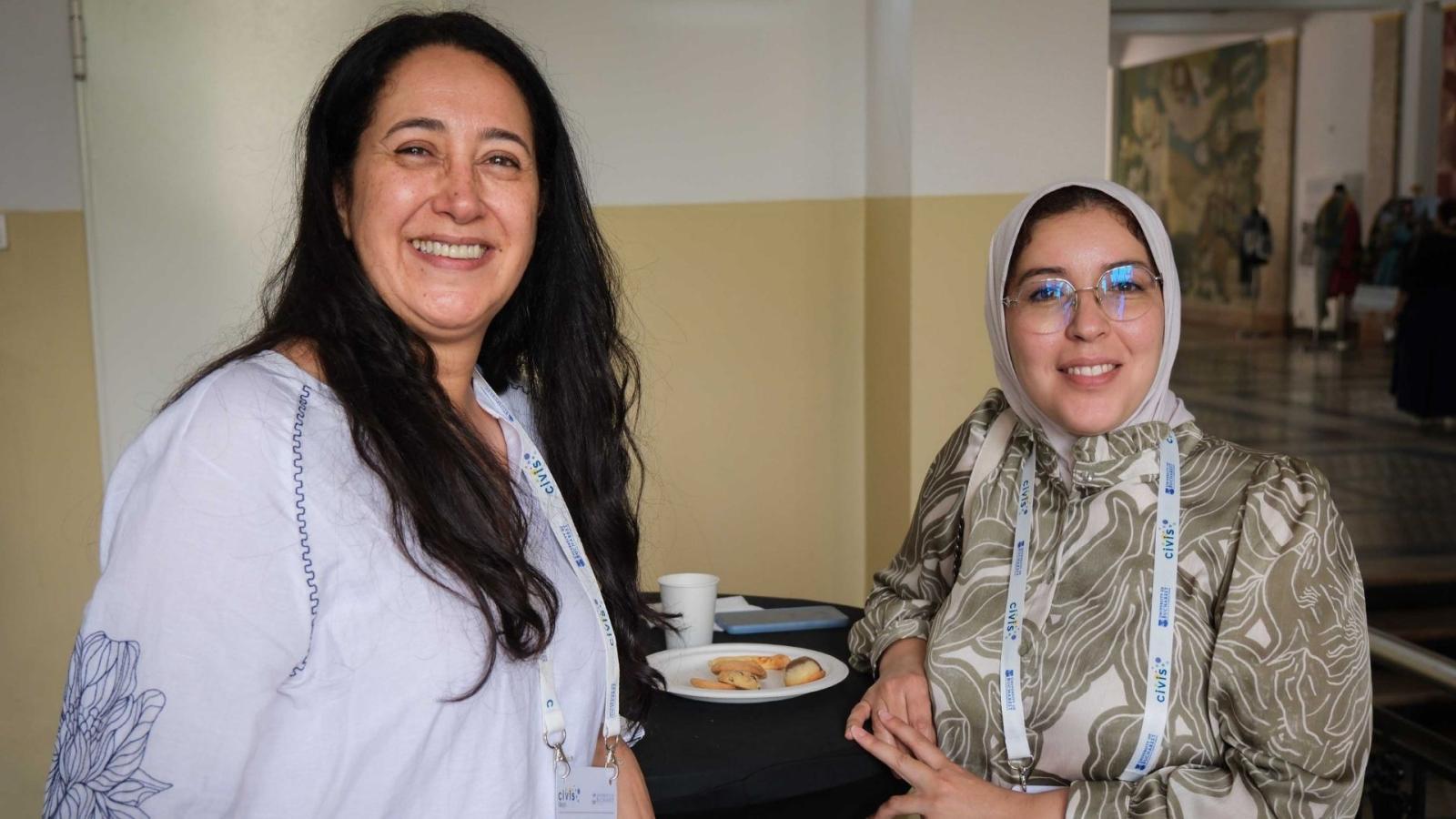
Photos: CIVIS Communication Unit
Related news
-
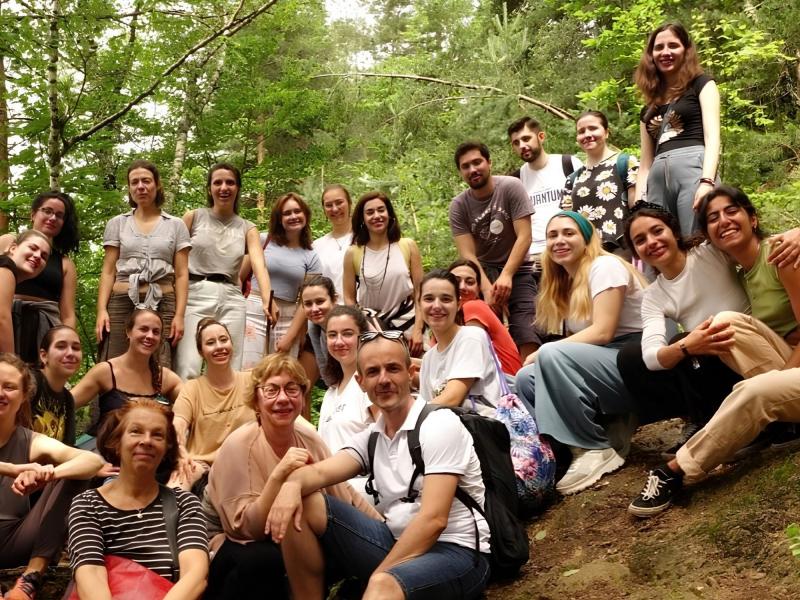
For participants, BIPs are a gift that keeps on giving
Learn
7 oktober 2026 -
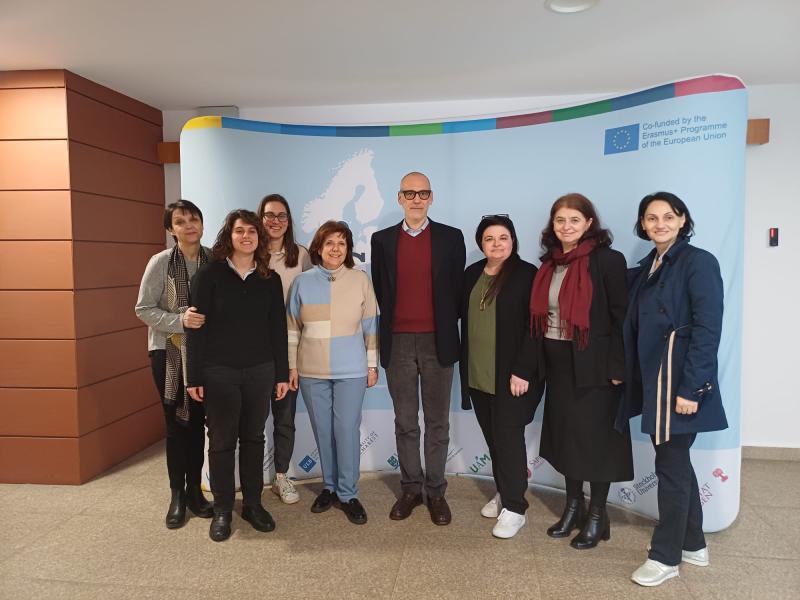
Det nya gemensamma CIVIS-masterprogrammet NAT4DD får ackreditering genom europeiska förfarandet för kvalitetssäkring
Study programmes
5 oktober 2026 -
CIVIS is News: joining the Rhythm of Revolution in Glasgow
Communication and Dissemination
31 augusti 2026