


Can international research partnerships be designed on equal terms? The Africa Charter for Transformative Research Collaborations, signed during the first African-European CIVIS Forum for Research and Education in Casablanca, seeks to provide a framework for addressing long-standing inequalities in global knowledge production. Built around ten principles and six policy aspirations, the Charter calls for research collaborations that are based on shared leadership, mutual benefit and equitable participation. The challenge now lies in implementation.
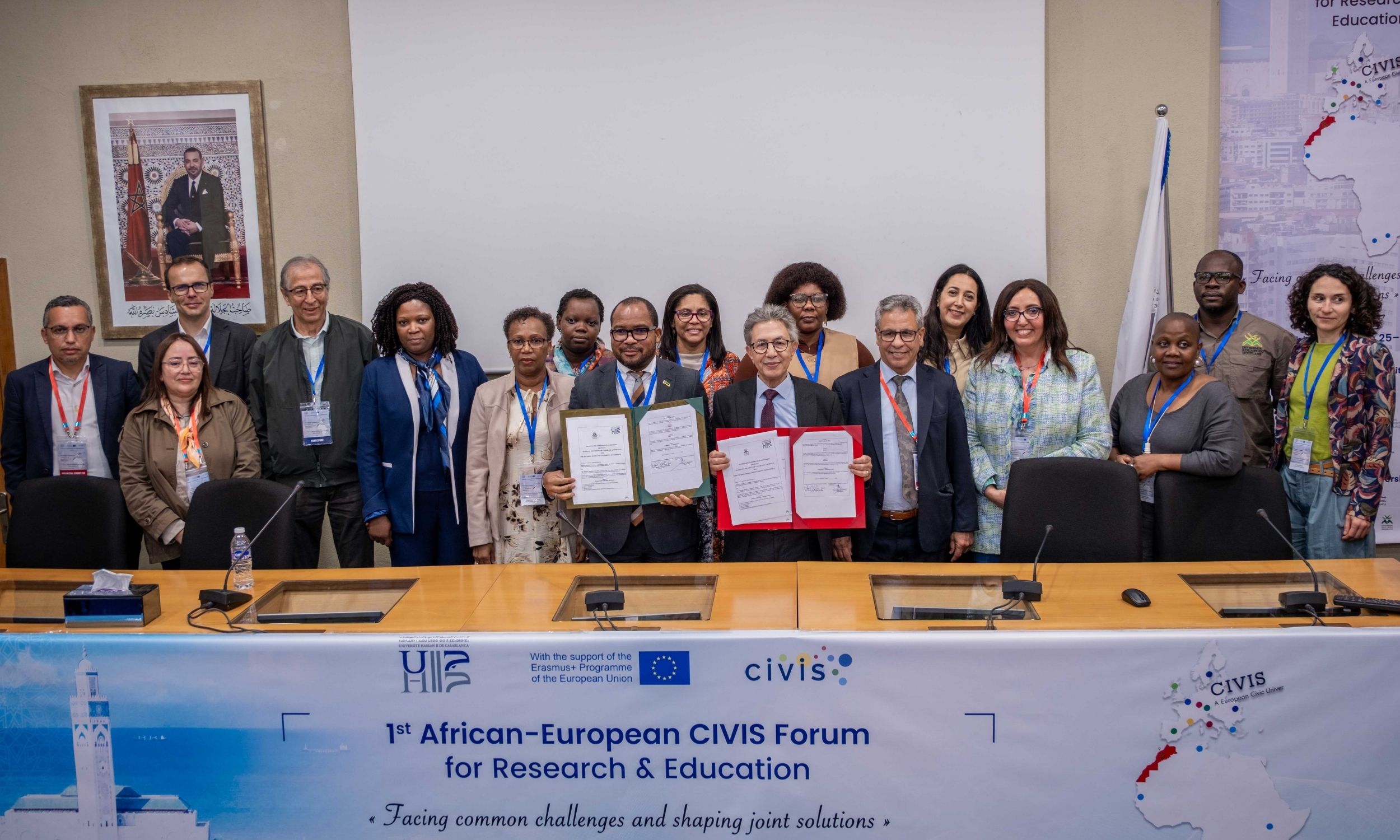
Discussions among African and European academics highlighted the need for more equitable access to funding, mobility, research infrastructure and governance, while emphasizing that meaningful transformation will depend on changing not only institutional practices but also the systems that shape how research is funded, assessed and valued.
For representatives from Wits University the Charter’s principles resonated with experiences already emerging from African-European collaborations within CIVIS. Discussions throughout the forum repeatedly returned to questions of equitable funding, shared decision-making, research mobility and the co-creation of knowledge, highlighting both the progress that has been made and the structural barriers that remain.
Associate Professor Emmanuel Ojo, from the Wits School of Education, described the forum as an example of how international partnerships can move beyond traditional hierarchies.
What struck me about the Casablanca Forum was that equality was not aspirational. It was structural. African and European colleagues sat together as co-creators, not as donors and recipients,” he said
For Ojo, the signing of the Africa Charter marked a defining moment, signalling a growing commitment to redesigning collaborative research around fairness and shared responsibility.
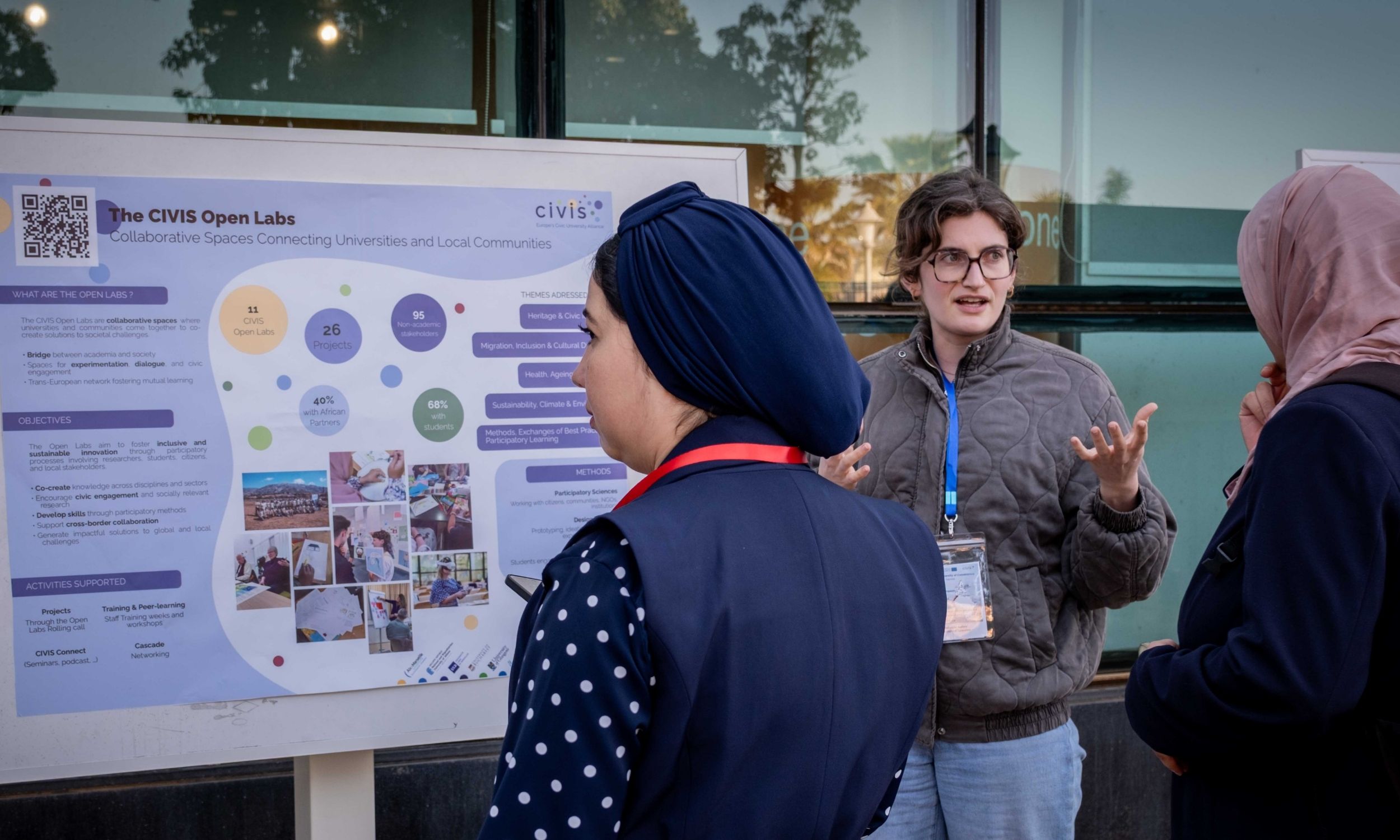
This commitment is already being tested in practice, as CIVIS researchers are working together through the five thematic hubs of the Alliance. The collaborations provide opportunities to explore what equitable partnerships look like on the ground - from curriculum development and joint research projects to policy engagement and postgraduate training.
The biggest challenge
Participants acknowledged that good intentions alone are not enough. Funding emerged as one of the most persistent challenges discussed during the forum. While CIVIS provides seed funding for collaborative projects, access to larger international grants often requires expertise, administrative capacity and established networks that are not equally available across institutions.
Professor Malte Brosig, who co-leads the PolyCIVIS Policy work package, pointed out that neither the European Union nor the African Union have signed the Africa Charter on equal partnerships. And without access to external research funding, he noted, the ability of universities to expand research programmes and build sustainable collaborations remains limited.
I think African universities should try to more strategically get, for example, EU funds, but often lack the expertise, administrative capacity and network to be successful applicants. Without access to extra continental funding, research cannot grow
Mobility was another area in which participants identified a gap between aspirations and reality. Dr Dinesh Balliah, Director of the Wits Centre for Journalism, described her experience of co-designing a CIVIS micro-programme with European colleagues as highly rewarding. However, she also pointed to disparities in mobility support, noting that opportunities for in-person collaboration are not always equally accessible to partners from the Global South.
Similar concerns were raised regarding participation in international meetings, exchanges and collaborative activities. Researchers stressed that equitable partnerships cannot be achieved if opportunities for travel, networking and knowledge exchange remain unevenly distributed. Addressing these disparities will be essential if the principles of the Africa Charter are to translate into meaningful change.
Making the most of what it is
Dr. Ute Schwaibold, who leads Wits’ engagement in the CIVIS Climate, Environment and Energy Hub, pointed to a growing willingness among partners to share expertise and research infrastructure. Such cooperation can provide access to specialised facilities and equipment that may otherwise be beyond the reach of individual institutions, creating opportunities for more balanced scientific collaboration.
In my hub we are equal partners and the European partners include us wherever possible. I do feel that the willingness to build a truly equal partnership is there. We are innovative, and we have decided that, regardless of potential funding constraints, we are going to continue working together. We will still run BIPs, we will still offer the TRACEE master’s programme, and we will explore ways to secure funding, says Schwaibold
The importance of building long-term communities of practice also featured prominently in discussions. In the Health Hub, collaborations increasingly focus on co-designing research that addresses priorities relevant to both African and European contexts. According to Professor Yahya Choonara, this approach moves beyond one-way knowledge transfer by creating space for partners to jointly shape research agendas and develop solutions that are locally relevant while internationally connected.
Thinking of early-career scholars
The next phase of collaboration will require strengthening these networks and ensuring that opportunities extend to early-career scholars. Dr. Naeema Reis, a senior lecturer in Physiotherapy, described international collaboration as essential for emerging researchers seeking to build their research profiles and expand their professional networks. Her experience at the forum underscored the value of mentorship and institutional support in helping younger academics access global research spaces.
The role of knowledge-sharing communities beyond academic departments was also highlighted. CIVIS library collaborations, for example, have evolved into forums where professionals from African and European institutions exchange expertise on topics such as open science, research assessment and digital transformation. These initiatives demonstrate how equitable partnerships can be strengthened through sustained engagement across all parts of the higher education ecosystem.
Ultimately, the significance of the Africa Charter will depend on whether its principles become embedded in the structures that govern research and education collaborations. Ojo argues that equity should not be treated as an optional value or a matter of goodwill. Instead, it should be built into the architecture of partnerships themselves, shaping decision-making processes, governance arrangements and the distribution of benefits.
The conversations that began in Casablanca suggest that the debate has moved beyond whether research partnerships should be equitable. The more pressing question now is how universities, funders and policymakers can turn that ambition into standard practice.
The Africa Charter provides a roadmap. The next step will be ensuring that its principles are reflected in the everyday realities of funding, mobility, governance and knowledge production across African-European collaborations.
Read all about it in Wits' original story
Full storyRelated news
-
El nuevo programa de máster conjunto de CIVIS, NAT4DD, obtiene la acreditación "European Approach"
Study programmes
5 de octubre de 2026 -
CIVIS calls for strengthening Africa-Europe academic mobility through a visa policy for science partnerships
Opinion
9 de septiembre de 2026 -

Frente a retos comunes, soluciones conjuntas para África y Europa
African Partner Universities
31 de marzo de 2026