



What happens when researchers in Brussels, community activists in Marseille, farmers and bakers in Belgium, and citizens across Europe start asking questions together?
Bringing to the forefront voices and projects from our communities (academic and non-academic) is what moves CIVIS Waves, the podcast of CIVIS Alliance, where stories, conversations and debates from across our 17 universities and communities meet.
Its first series, CIVIS Connect, explores one of the most powerful expressions of this idea: participatory research. Across the five episodes of the season, researchers and community organisations share how knowledge can be co-created to better understand environmental, social and cultural challenges, and how universities can become spaces where science and society learn from one another.
From air quality monitoring in Brussels to urban orchards in Marseille, from local food systems to citizen-generated knowledge, the stories featured in CIVIS Connect reveal the extraordinary potential that emerges when people connect across sectors, backgrounds and borders. They embody what CIVIS is all about: creating opportunities for collaboration that would be difficult to imagine within a single institution.
Five episodes, five perspectives on participatory research
The series opened with hosts Christèle Aubry and Robin Lebrun, who introduced listeners to the foundations of participatory research through projects focused on air quality. Joining them were Pierre Dornier, founder of the Brussels-based association Les Chercheurs d’Air, and Nolwenn Bühler, anthropologist of science and technology and gender studies specialist at the University of Lausanne. Together, they explored how citizens can actively contribute to the production of scientific knowledge and help reshape research practices.
The conversation continued in the second episode, where Pierre Dornier explained how participatory research has become a key tool in tackling air pollution in Brussels. By involving citizens directly in data collection, projects not only generate valuable scientific evidence but also raise awareness of an often-invisible public health issue. The discussion highlighted an important challenge for participatory research: how to translate knowledge, visibility and public interest into concrete policy action.
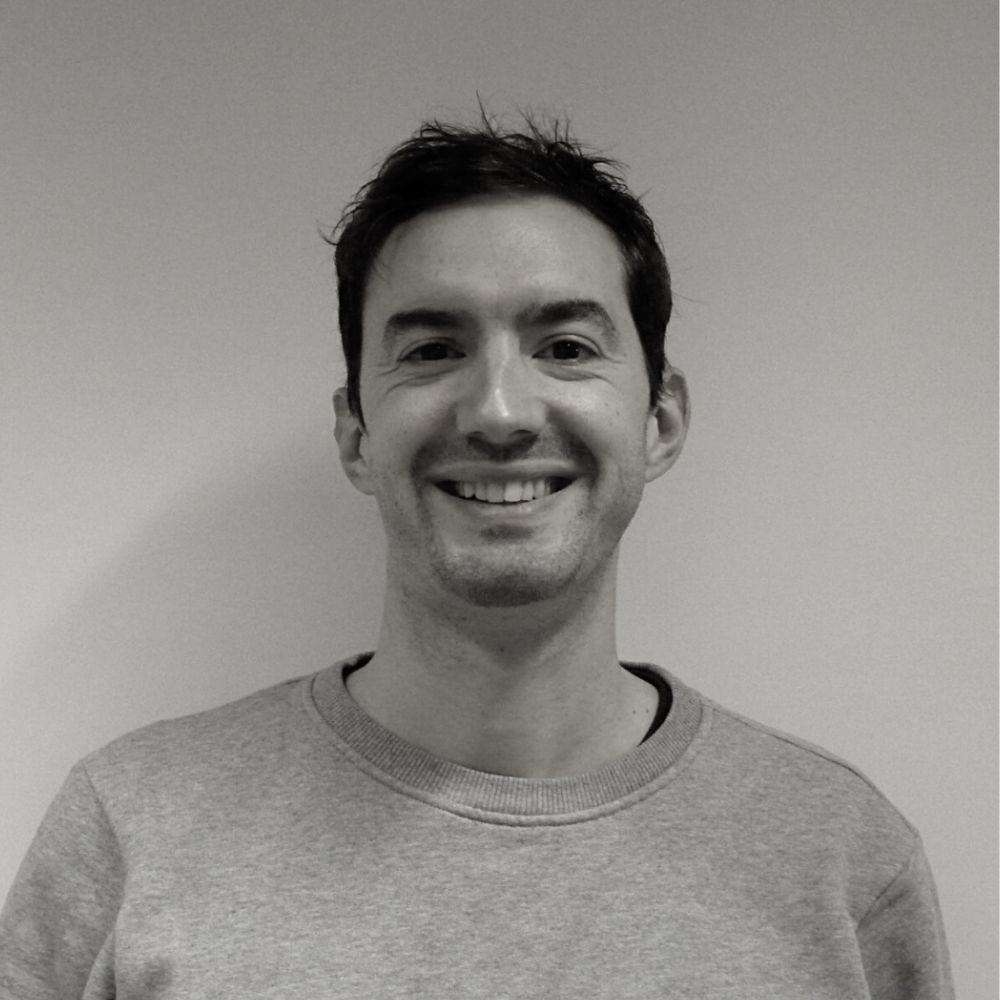
Participatory research allows us to create new data on the quality of the air we breathe and to raise public awareness about air pollution in the Brussels region
From the soil to the soundwaves
The third episode shifted the focus to food systems and local knowledge. Noémie Maugan, agronomist and research officer at OpenLab.Brussels Université libre de Bruxelles, shared her experience with Le pain qu’on sème, a podcast developed with farmers, millers and artisan bakers across Belgium. Her testimony showed how a communication tool can become a platform for dialogue and research and a way of recognising expertise that often remains overlooked.
This is a podcast that goes out to meet the people working on the ground – literally from the seeds to the sandwich – in Belgium. By developing the episodes in collaboration with bakers… we’ve been able to gain a real understanding of the needs on the ground as we’ve gone along
Listeners then travelled to Marseille in the fourth episode, presented by Maud Rebibou. The episode featured Anne Gagnebien, lecturer and researcher in information and communication sciences, and Véronique Masotti, lecturer and researcher in functional ecology at the PYTHEAS Institute, both from Aix-Marseille Université.
Through the VVOOM project, a network of agroecological urban orchards, they demonstrated how residents can actively contribute to scientific research while strengthening community ties and expanding knowledge about urban biodiversity. Research here is not confined to laboratories; it grows in shared spaces, nourished by collective action and local engagement.
Our aim is to create community orchards where local residents are not mere spectators, but co-creators of knowledge
One last wave to end the season
In the fifth episode of CIVIS Connect, Robin Lebrun talks with Samia Ben Rajeb, professor at the Brussels Polytechnic School, architect, director of the AIA laboratory, and academic coordinator of OpenLab.brussels for the Université libre de Bruxelles.
What does participatory research really entail, and why is it such an important topic today? Samia Ben Rajeb offers both theoretical and historical perspectives on this methodology, before taking us into the field with a project close to her heart: the Collaborative Observatory of Built Heritage in Tunisia, funded by UNESCO, where dozens of citizens helped document threatened architectural heritage.
The episode explores the challenges raised by this kind of approach — from the reliability of the data collected to properly recognising the people involved — and looks more broadly at the place of participatory research within universities: how to carry it out without losing scientific rigour, how to engage and keep co-researchers on board over time, and why it deserves an institutional recognition that has yet to be fully built.
Citizens at the centre of research
Whether measuring air quality, documenting agricultural practices or observing biodiversity, the guests of CIVIS Connect shared their experiences on how citizens can become contributors, partners and increasingly co-creators of knowledge. The series also does not shy away from the difficult questions. Trust, ethics, recognition, long-term engagement and societal impact are recurring themes throughout the season.
These episodes surf through the challenges and rewards universities find when opening up to citizens as research partner.s They show how participatory approaches can strengthen inclusion, foster civic engagement and enrich both scientific inquiry and public debate.
Whether you are a student, researcher, professional staff member or simply curious about new ways of connecting science and society, this first season offers inspiring examples of what becomes possible when collaboration moves beyond traditional boundaries.
CIVIS Waves
Related news
-
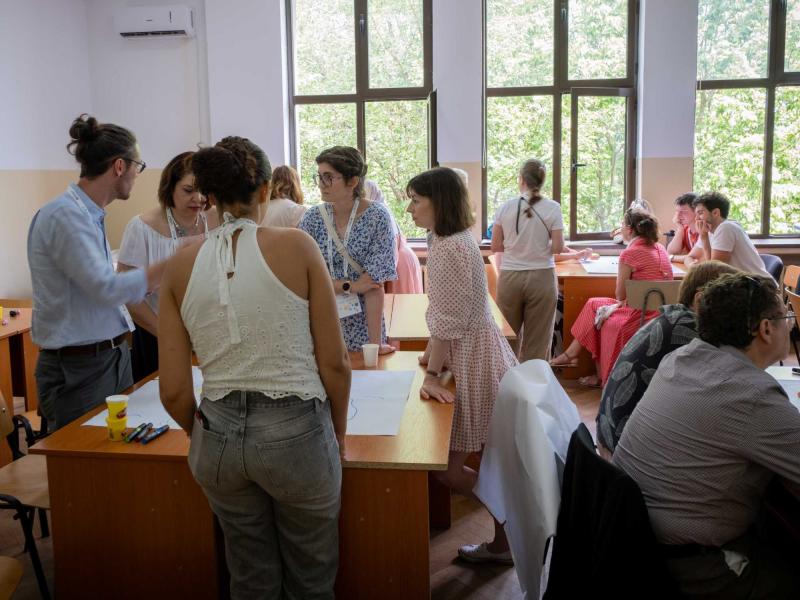
La democracia en acción: CIVIS impulsa nuevas oportunidades de colaboración entre universidades y sociedad
Connect
2 de noviembre de 2026 -
Siete años de CIVIS: de un proyecto ambicioso a una próspera comunidad académica
Communication and Dissemination
17 de septiembre de 2026 -
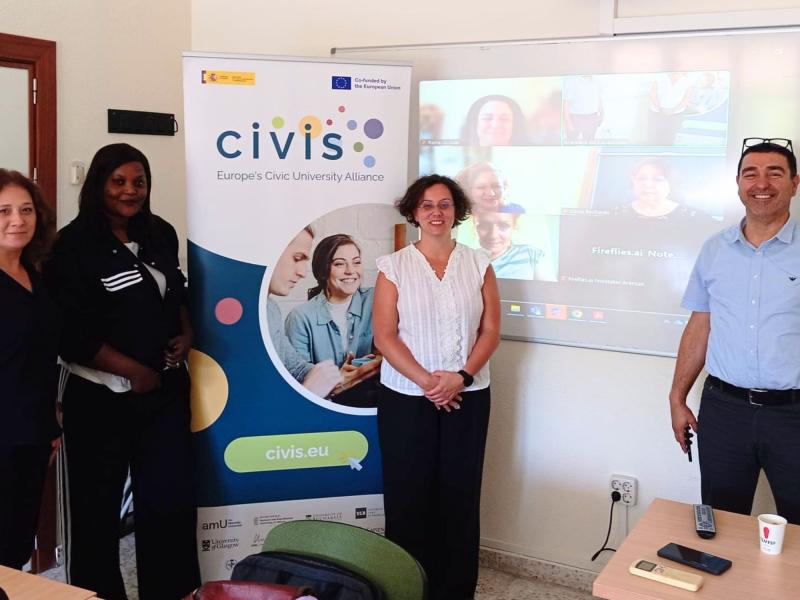
CIVIS Open Lab Project Creates a Model for Digital Equity across Europe and Africa
Communication and Dissemination
20 de julio de 2026